
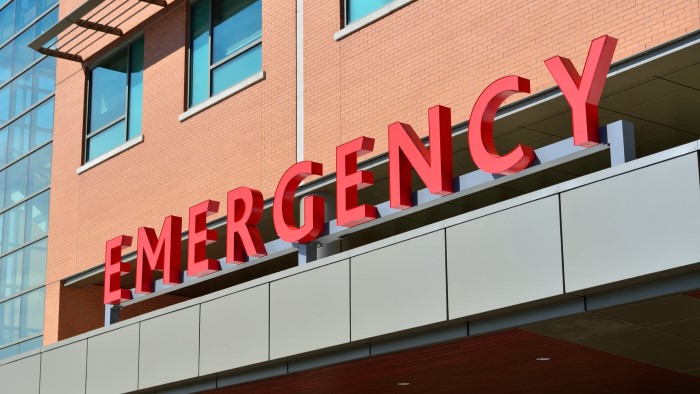
More than 10% of all emergency room (ER) visits could have been better dealt with in either an urgent care facility or a doctor’s office. An emergency is life-threatening and requires immediate care.
Examples of an emergency include the following:
- Not breathing or having difficulty breathing
- Choking—and being unable to dislodge the item
- Experiencing a heart attack or stroke
- Bleeding severely or suspecting broken bones
Urgent care centers are usually more cost-effective than ERs for conditions such as ear infections, sprains, vomiting, and high fever. Choosing the appropriate place of care can not only ensure prompt medical attention but will also help reduce any unnecessary expenses. Be prepared for an emergency by consulting with your insurance policy now, since certain situations may not be covered.